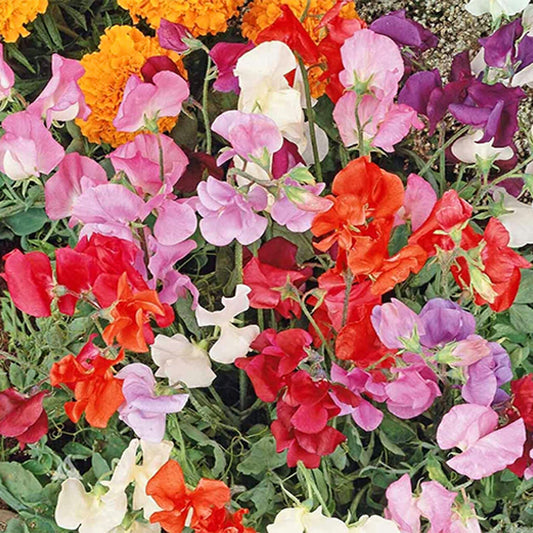
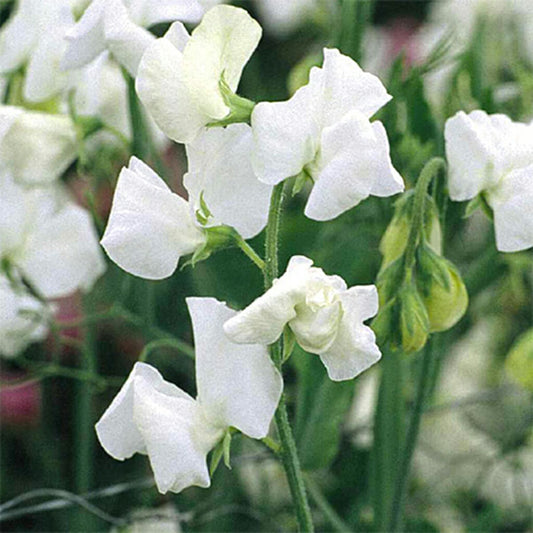
Sweet Peas were first bred in Sicily and rose to fame in Victorian England for their fragrance and romantic colours. Their curling tendrils and delicate blooms made them a staple in bouquets. In Australia, they're planted in autumn and climb happily through spring, scenting gardens and fences alike.
Sowing Calendar
Best Months to Plant – Sweet Pea
Climate Zone
Jan
Feb
Mar
Apr
May
Jun
Jul
Aug
Sep
Oct
Nov
Dec
Cool/Mountain
✓
✓
✓
✓
Temperate
✓
✓
✓
✓
Arid
✓
✓
Subtropical
✓
✓
Tropical
✓
✓
✓
Cool/Mountain – Sweet Pea
Method
Jan
Feb
Mar
Apr
May
Jun
Jul
Aug
Sep
Oct
Nov
Dec
Start in trays
Plant out transplants
Direct sow
✓
✓
✓
✓
Temperate – Sweet Pea
Method
Jan
Feb
Mar
Apr
May
Jun
Jul
Aug
Sep
Oct
Nov
Dec
Start in trays
Plant out transplants
Direct sow
✓
✓
✓
✓
Arid – Sweet Pea
Method
Jan
Feb
Mar
Apr
May
Jun
Jul
Aug
Sep
Oct
Nov
Dec
Start in trays
Plant out transplants
Direct sow
✓
✓
Subtropical – Sweet Pea
Method
Jan
Feb
Mar
Apr
May
Jun
Jul
Aug
Sep
Oct
Nov
Dec
Start in trays
Plant out transplants
Direct sow
✓
✓
Tropical – Sweet Pea
Method
Jan
Feb
Mar
Apr
May
Jun
Jul
Aug
Sep
Oct
Nov
Dec
Start in trays
Plant out transplants
Direct sow
✓
✓
✓
Where to Plant
Shady Spots & Herb Gardens
Shady Spots & Herb Gardens
• Areas receiving dappled or indirect sunlight, often near trees or buildings
• Best for shade-tolerant herbs like mint, parsley, or greens like spinach
• Helps prevent sun stress and conserves moisture
• Often used in cooler corners of the garden
In-Ground Garden Beds
In-Ground Garden Beds
• Traditional garden beds dug directly into the soil
• Suitable for deep-rooted crops and long-term plantings
• Offers natural soil ecology and drainage benefits
• Requires proper soil preparation and weed management
Raised Garden Beds
Raised Garden Beds
• Enclosed garden beds elevated above ground level
• Offer excellent drainage and warmer soil conditions
• Reduce bending and make gardening easier for mobility-restricted gardeners
• Ideal for most vegetables, flowers, and herbs
Containers & Pots
Containers & Pots
• Portable planting vessels suited for patios, balconies, and small areas
• Provide complete control over soil composition and drainage
• Great for herbs, greens, compact vegetables, or ornamental plants
• Allow plants to be moved to follow sun, shade, or seasonal conditions
Pre-treatment
None Identified
There are no pre treatments required for germination.
Sowing Method
Direct Sow
• Sow seeds directly into prepared garden soil or outdoor containers
• Best for plants that dislike transplanting, such as root vegetables and beans
• Loosen soil and remove weeds before sowing
• Sow at the recommended depth and spacing, then water gently
• Keep the area moist until germination and thin seedlings if needed
Drill Sow
• Make shallow, straight furrows (drills) in the soil using a stick or finger
• Sow seeds evenly along the length of the furrow
• Cover lightly with soil and water in gently
• Ideal for crops sown in rows like carrots, lettuce, and spinach
• Label rows and maintain even spacing for easy weeding and harvesting
Watering
Medium
• Benefits from regular watering, especially during active growth or flowering
• Soil should remain moist but not soggy—allow topsoil to dry slightly between waterings
• Ideal for most vegetables, herbs, and flowering annuals
• More frequent watering may be needed during hot or windy weather
• A layer of mulch can reduce water loss and improve consistency
Fertilisation
Frost
Frost Tolerant
These plants can tolerate light to moderate frosts and may survive through cooler seasons.
Maintenance and Harvesting
Sweet Peas require regular picking of blooms to encourage more flowers. Provide trellis support and water regularly, especially during flowering. Remove faded flowers promptly.
Pests and Diseases
Aphids
Aphids are tiny, soft-bodied insects that cluster on new growth and the undersides of leaves. They suck sap from plants, causing leaves to curl, yellow or become distorted. As they feed, they excrete sticky honeydew that encourages sooty mould, and colonies can build quickly in warm weather.
Start with organic controls: blast colonies off with a firm jet of water, encourage beneficial insects like ladybirds and lacewings, and spray neem oil or insecticidal soap to disrupt feeding. Keep plants well watered and avoid excess nitrogen that promotes soft growth. If pressure remains high, selective chemical sprays can be used sparingly, taking care to protect pollinators and beneficials.
Powdery mildew
Powdery mildew appears as a white, talc‑like coating on leaves and stems. It thrives in warm days, cool nights, and still air, and can weaken plants by reducing photosynthesis, leading to yellowing and early leaf drop.
Prune for airflow, avoid overhead watering, and remove badly affected foliage. Organic sprays such as milk solution, potassium bicarbonate, sulfur, or neem help suppress outbreaks. Chemical fungicides are effective when started early, but use sparingly to preserve beneficial organisms.
Downy mildew
Downy mildew causes pale yellow blotches on upper leaf surfaces with grey‑purple fuzz beneath, spreading fast in cool, moist weather. Heavily infected leaves collapse, slowing growth and yield.
Choose sunny, well‑ventilated positions, water early so foliage dries quickly, and remove infected leaves promptly. Organic options include copper and bio‑fungicides (phosphorous acid salts). For severe pressure, rotate chemical fungicide modes to prevent resistance.
Leaf miners
Leaf miners can affect plant health and yields in home gardens. Typical symptoms include slowed growth, discolouration, and reduced productivity, often triggered by weather, nutrition, or cultural conditions.
Start with cultural fixes: rotate crops, improve soil with compost, water consistently, and choose resistant varieties. Organic sprays or amendments can reduce severity; chemical options are a last resort and should be used carefully and in accordance with labels.
Fusarium wilt
Fusarium wilt can affect plant health and yields in home gardens. Typical symptoms include slowed growth, discolouration, and reduced productivity, often triggered by weather, nutrition, or cultural conditions.
Start with cultural fixes: rotate crops, improve soil with compost, water consistently, and choose resistant varieties. Organic sprays or amendments can reduce severity; chemical options are a last resort and should be used carefully and in accordance with labels.
Growing Tips
• Sweet Pea needs cool conditions to thrive; sow in late winter/early spring or autumn.
• Sweet Pea requires support; provide trellis or netting early.
• Sweet Pea flowering declines if not picked; harvest regularly to prolong blooms.

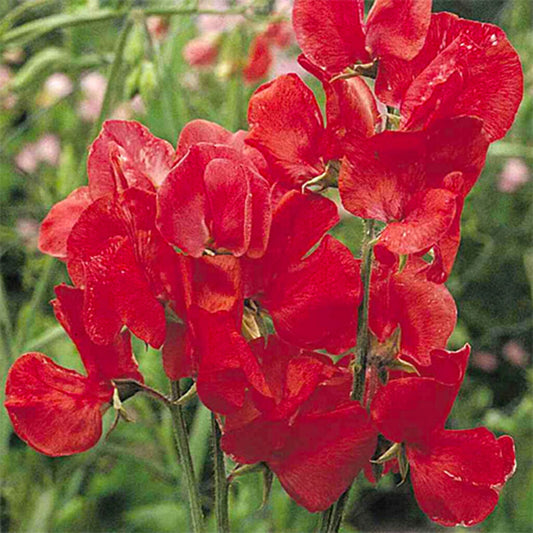 Sold outRegular price $4.25Regular priceUnit price per