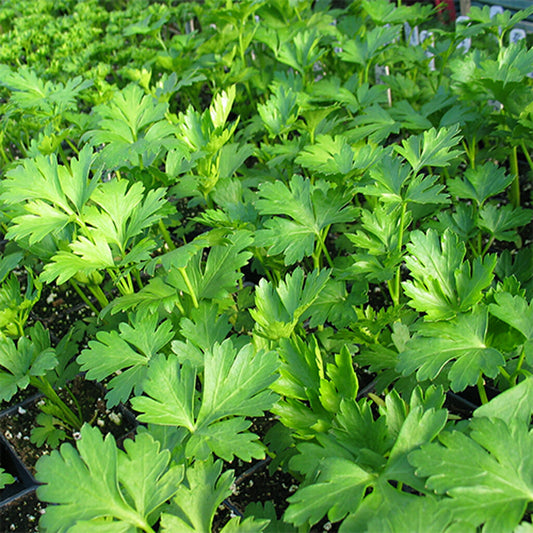
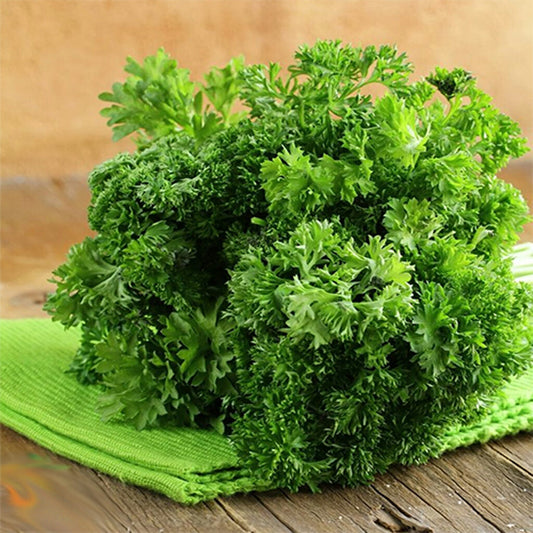
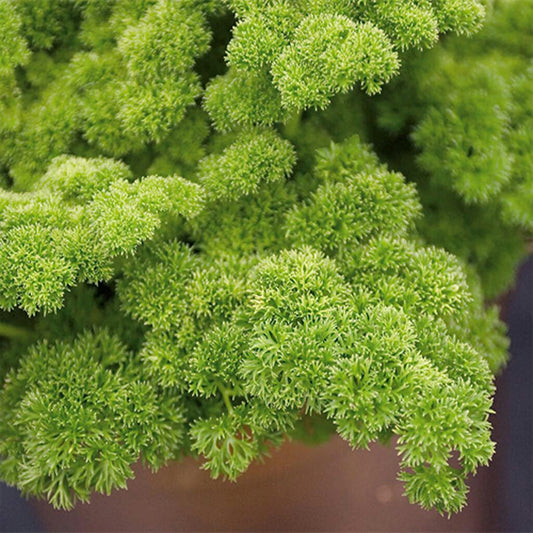
Parsley has been a kitchen and garden staple since ancient times, used by the Greeks as both a garnish and a symbol of rebirth. It travelled across Europe and found its way into almost every cuisine. In Australia, it's grown year-round in beds and pots, loved for its reliability and versatility—whether curly or flat-leaf.
Sowing Calendar
Best Months to Plant – Parsley
Climate Zone
Jan
Feb
Mar
Apr
May
Jun
Jul
Aug
Sep
Oct
Nov
Dec
Cool/Mountain
✓
✓
✓
✓
✓
✓
✓
Temperate
✓
✓
✓
✓
✓
✓
✓
✓
Arid
✓
✓
✓
✓
✓
✓
✓
Subtropical
✓
✓
✓
✓
✓
✓
✓
Tropical
✓
✓
✓
Cool/Mountain – Parsley
Method
Jan
Feb
Mar
Apr
May
Jun
Jul
Aug
Sep
Oct
Nov
Dec
Start in trays
✓
✓
✓
✓
✓
✓
Plant out transplants
✓
✓
✓
✓
✓
✓
Direct sow
✓
✓
✓
✓
✓
Temperate – Parsley
Method
Jan
Feb
Mar
Apr
May
Jun
Jul
Aug
Sep
Oct
Nov
Dec
Start in trays
✓
✓
✓
✓
✓
✓
✓
Plant out transplants
✓
✓
✓
✓
✓
✓
✓
Direct sow
✓
✓
✓
✓
✓
✓
Arid – Parsley
Method
Jan
Feb
Mar
Apr
May
Jun
Jul
Aug
Sep
Oct
Nov
Dec
Start in trays
✓
✓
✓
✓
✓
✓
Plant out transplants
✓
✓
✓
✓
✓
✓
Direct sow
✓
✓
✓
✓
✓
Subtropical – Parsley
Method
Jan
Feb
Mar
Apr
May
Jun
Jul
Aug
Sep
Oct
Nov
Dec
Start in trays
✓
✓
✓
✓
✓
✓
Plant out transplants
✓
✓
✓
✓
✓
✓
Direct sow
✓
✓
✓
✓
✓
Tropical – Parsley
Method
Jan
Feb
Mar
Apr
May
Jun
Jul
Aug
Sep
Oct
Nov
Dec
Start in trays
✓
✓
✓
Plant out transplants
✓
✓
✓
Direct sow
✓
✓
✓
Where to Plant
Containers & Pots
Containers & Pots
• Portable planting vessels suited for patios, balconies, and small areas
• Provide complete control over soil composition and drainage
• Great for herbs, greens, compact vegetables, or ornamental plants
• Allow plants to be moved to follow sun, shade, or seasonal conditions
Shady Spots & Herb Gardens
Shady Spots & Herb Gardens
• Areas receiving dappled or indirect sunlight, often near trees or buildings
• Best for shade-tolerant herbs like mint, parsley, or greens like spinach
• Helps prevent sun stress and conserves moisture
• Often used in cooler corners of the garden
Edges
Edges
• Narrow growing spaces along borders, fences, or pathways
• Perfect for low-growing or decorative plants like alyssum or herbs
• Helps soften garden boundaries and attract beneficial insects
• Makes efficient use of underutilised garden space
Borders & Companion Rows
Borders & Companion Rows
• Found along the edges of garden beds, paths, or between main crops
• Ideal for herbs, flowers, or pest-repelling plants that support the main crop
• Helps attract pollinators and beneficial insects
• Makes good use of smaller spaces and improves overall garden health
Pre-treatment
Soaking in Water
• Place seeds in a cup of clean, room-temperature water
• Soak for 8–24 hours depending on seed type
• Plant immediately after soaking to prevent rot
• Useful for large or hard seeds like beans and beetroot
Sowing Method
Start in Trays
• Fill seed trays or punnets with quality seed-raising mix
• Sow seeds at the correct depth—refer to seed packet for guidance
• Place trays in a warm, sheltered location with good light
• Mist or bottom-water to avoid disturbing small seeds
• Transplant seedlings once they develop 2–4 true leaves
Direct Sow
• Sow seeds directly into prepared garden soil or outdoor containers
• Best for plants that dislike transplanting, such as root vegetables and beans
• Loosen soil and remove weeds before sowing
• Sow at the recommended depth and spacing, then water gently
• Keep the area moist until germination and thin seedlings if needed
Watering
Low
• Suitable for drought-tolerant or Mediterranean-style plants
• Needs watering only during extended dry periods or heatwaves
• Prefers deep but infrequent watering to encourage strong root growth
• Ideal for well-drained soils and low-maintenance garden beds
• Mulching helps retain moisture and reduce watering even further
Fertilisation
Frost
Frost Tolerant
These plants can tolerate light to moderate frosts and may survive through cooler seasons.
Maintenance and Harvesting
Parsley benefits from regular picking of outer leaves. Keep soil moist and rich. Replant annually as it tends to bolt in its second year.
Pests and Diseases
Aphids
Aphids are tiny, soft-bodied insects that cluster on new growth and the undersides of leaves. They suck sap from plants, causing leaves to curl, yellow or become distorted. As they feed, they excrete sticky honeydew that encourages sooty mould, and colonies can build quickly in warm weather.
Start with organic controls: blast colonies off with a firm jet of water, encourage beneficial insects like ladybirds and lacewings, and spray neem oil or insecticidal soap to disrupt feeding. Keep plants well watered and avoid excess nitrogen that promotes soft growth. If pressure remains high, selective chemical sprays can be used sparingly, taking care to protect pollinators and beneficials.
Leaf spot
Leaf spot describes several fungal or bacterial diseases that create dark, often round lesions on foliage—sometimes with yellow halos. Severe infections cause premature leaf drop and reduced vigour, especially during warm, wet spells or when leaves stay damp.
Reduce spread by removing infected leaves, watering at the base, and spacing plants for airflow. Mulch to limit soil splash and rotate crops. Organic preventatives include copper and sulfur sprays applied early. If disease escalates, registered fungicides offer a chemical backup.
Crown / root rot (Wet)
Crown and root rots are caused by water‑loving fungi that attack stems at the soil line and roots below. Plants yellow, wilt, and eventually collapse because their roots can no longer supply water and nutrients—most common in heavy, waterlogged soils.
Prevention is key: improve drainage, raise beds, and water deeply but less often. Avoid injuring stems at the soil line and rotate away from affected beds. Solarising soil in summer can knock back pathogens. Chemical drenches have limited benefit in home gardens and are best used preventatively rather than curatively.
Powdery mildew
Powdery mildew appears as a white, talc‑like coating on leaves and stems. It thrives in warm days, cool nights, and still air, and can weaken plants by reducing photosynthesis, leading to yellowing and early leaf drop.
Prune for airflow, avoid overhead watering, and remove badly affected foliage. Organic sprays such as milk solution, potassium bicarbonate, sulfur, or neem help suppress outbreaks. Chemical fungicides are effective when started early, but use sparingly to preserve beneficial organisms.
Caterpillars & chewing larvae
Caterpillars and chewing larvae are moth and butterfly young that devour leaves or bore into stems and fruit, reducing growth and spoiling harvests.
Hand‑pick where practical and protect young crops with fine netting. Encourage parasitic wasps and birds. Apply Bacillus thuringiensis (Bt) for an organic, caterpillar‑specific control. Broad‑spectrum insecticides can work but may harm beneficials, so reserve for severe cases.
Leaf miners
Leaf miners can affect plant health and yields in home gardens. Typical symptoms include slowed growth, discolouration, and reduced productivity, often triggered by weather, nutrition, or cultural conditions.
Start with cultural fixes: rotate crops, improve soil with compost, water consistently, and choose resistant varieties. Organic sprays or amendments can reduce severity; chemical options are a last resort and should be used carefully and in accordance with labels.
Growing Tips
• Parsley germinates slowly; soak seed and keep the seed bed evenly moist for steady emergence.
• Parsley may bolt in hot weather in its second year; grow fresh seedlings for summer harvests.
• Parsley develops pale leaves in poor soil; top-dress with compost and water consistently.