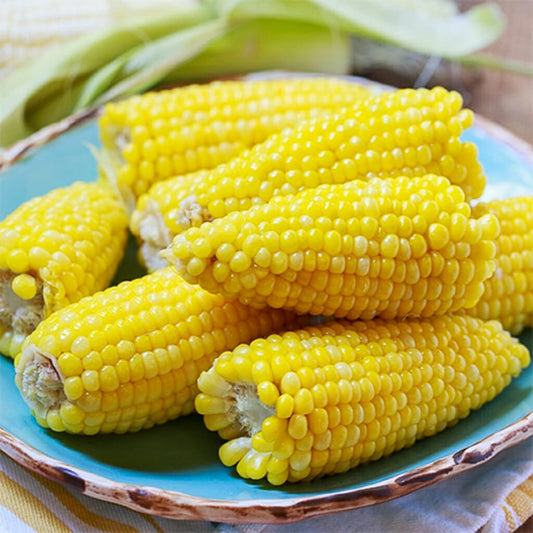
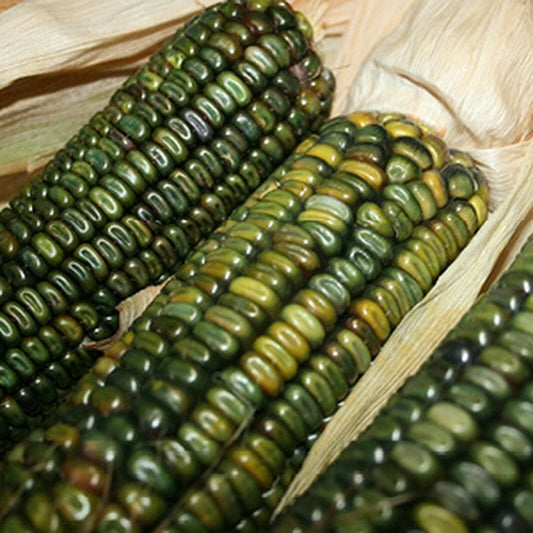
Corn, or maize, was first domesticated in Mexico over 9,000 years ago from a wild grass called teosinte. It became central to Mesoamerican culture and later spread globally following European exploration. Corn reached Australia in the 1800s and is now a warm-season favourite in gardens for both sweet eating and ornamental varieties.
Sowing Calendar
Best Months to Plant – Corn
Climate Zone
Jan
Feb
Mar
Apr
May
Jun
Jul
Aug
Sep
Oct
Nov
Dec
Cool/Mountain
✓
✓
✓
✓
Temperate
✓
✓
✓
✓
Arid
✓
✓
✓
✓
✓
Subtropical
✓
✓
✓
✓
✓
✓
✓
Tropical
✓
✓
✓
✓
✓
✓
✓
✓
✓
✓
✓
✓
Cool/Mountain – Corn
Method
Jan
Feb
Mar
Apr
May
Jun
Jul
Aug
Sep
Oct
Nov
Dec
Start in trays
Plant out transplants
Direct sow
✓
✓
✓
✓
Temperate – Corn
Method
Jan
Feb
Mar
Apr
May
Jun
Jul
Aug
Sep
Oct
Nov
Dec
Start in trays
Plant out transplants
Direct sow
✓
✓
✓
✓
Arid – Corn
Method
Jan
Feb
Mar
Apr
May
Jun
Jul
Aug
Sep
Oct
Nov
Dec
Start in trays
Plant out transplants
Direct sow
✓
✓
✓
✓
✓
Subtropical – Corn
Method
Jan
Feb
Mar
Apr
May
Jun
Jul
Aug
Sep
Oct
Nov
Dec
Start in trays
Plant out transplants
Direct sow
✓
✓
✓
✓
✓
✓
✓
Tropical – Corn
Method
Jan
Feb
Mar
Apr
May
Jun
Jul
Aug
Sep
Oct
Nov
Dec
Start in trays
Plant out transplants
Direct sow
✓
✓
✓
✓
✓
✓
✓
✓
✓
✓
✓
✓
Where to Plant
In-Ground Garden Beds
In-Ground Garden Beds
• Traditional garden beds dug directly into the soil
• Suitable for deep-rooted crops and long-term plantings
• Offers natural soil ecology and drainage benefits
• Requires proper soil preparation and weed management
Shady Spots & Herb Gardens
Shady Spots & Herb Gardens
• Areas receiving dappled or indirect sunlight, often near trees or buildings
• Best for shade-tolerant herbs like mint, parsley, or greens like spinach
• Helps prevent sun stress and conserves moisture
• Often used in cooler corners of the garden
Pre-treatment
Soaking in Water
• Place seeds in a cup of clean, room-temperature water
• Soak for 8–24 hours depending on seed type
• Plant immediately after soaking to prevent rot
• Useful for large or hard seeds like beans and beetroot
Sowing Method
Direct Sow
• Sow seeds directly into prepared garden soil or outdoor containers
• Best for plants that dislike transplanting, such as root vegetables and beans
• Loosen soil and remove weeds before sowing
• Sow at the recommended depth and spacing, then water gently
• Keep the area moist until germination and thin seedlings if needed
Hill Planting
• Sow seeds in small mounds or 'hills' of raised soil
• Common for pumpkins, cucumbers, and zucchinis
• Improves drainage and warmth around the roots
• Place 2–4 seeds per hill and thin to the strongest 1–2 seedlings
• Space hills according to plant size to allow spreading vines
Watering
Low
• Suitable for drought-tolerant or Mediterranean-style plants
• Needs watering only during extended dry periods or heatwaves
• Prefers deep but infrequent watering to encourage strong root growth
• Ideal for well-drained soils and low-maintenance garden beds
• Mulching helps retain moisture and reduce watering even further
Fertilisation
Frost
Frost Tender
These plants are sensitive to frost and should be sown after the last frost or grown in protected conditions.
Maintenance and Harvesting
Corn should be grown in blocks for proper pollination. Water regularly during tassel and ear formation. Remove side shoots (suckers) if plants are crowded. Keep weed-free to reduce competition.
Pests and Diseases
Aphids
Aphids are tiny, soft-bodied insects that cluster on new growth and the undersides of leaves. They suck sap from plants, causing leaves to curl, yellow or become distorted. As they feed, they excrete sticky honeydew that encourages sooty mould, and colonies can build quickly in warm weather.
Start with organic controls: blast colonies off with a firm jet of water, encourage beneficial insects like ladybirds and lacewings, and spray neem oil or insecticidal soap to disrupt feeding. Keep plants well watered and avoid excess nitrogen that promotes soft growth. If pressure remains high, selective chemical sprays can be used sparingly, taking care to protect pollinators and beneficials.
Caterpillars & chewing larvae
Caterpillars and chewing larvae are moth and butterfly young that devour leaves or bore into stems and fruit, reducing growth and spoiling harvests.
Hand‑pick where practical and protect young crops with fine netting. Encourage parasitic wasps and birds. Apply Bacillus thuringiensis (Bt) for an organic, caterpillar‑specific control. Broad‑spectrum insecticides can work but may harm beneficials, so reserve for severe cases.
Rust
Rust diseases produce raised orange‑brown pustules on leaves and stems. Spores disperse easily on wind and water, causing repeated reinfection and gradual weakening of plants.
Remove infected material and avoid wetting foliage. Grow resistant varieties where possible and rotate crops. Organic sulfur or copper sprays can protect new growth; systemic fungicides are a chemical fallback if rust persists.
Lodging (wind/weak anchoring)
Lodging (wind/weak anchoring) can affect plant health and yields in home gardens. Typical symptoms include slowed growth, discolouration, and reduced productivity, often triggered by weather, nutrition, or cultural conditions.
Start with cultural fixes: rotate crops, improve soil with compost, water consistently, and choose resistant varieties. Organic sprays or amendments can reduce severity; chemical options are a last resort and should be used carefully and in accordance with labels.
Growing Tips
• Poor kernel fill from inadequate pollination (small blocks needed) can affect Corn. Improve soil fertility with compost and keep the soil evenly moist to encourage strong growth.
• Corn is prone to lodging in wind without hilling/support. Good cultural practices such as timely sowing, consistent care, and soil preparation can help manage this.
• Corn is prone to kernel tip-back from drought during silking. Good cultural practices such as timely sowing, consistent care, and soil preparation can help manage this.