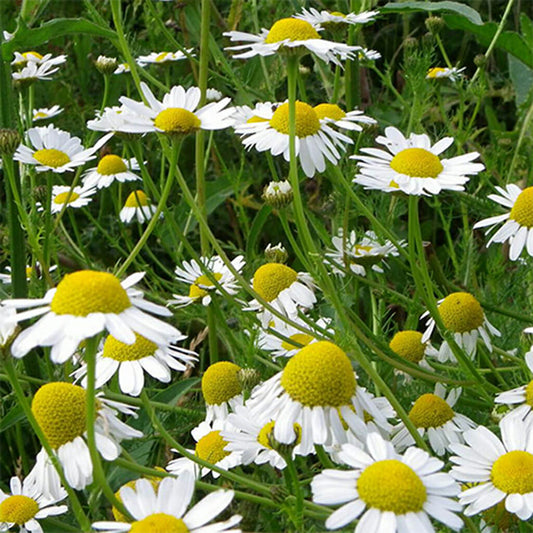
Chamomile has been steeped in teapots and herbal lore for thousands of years. The Egyptians praised it for healing, while the British prized it as a lawn substitute and gentle sleep aid. The daisy-like flowers now dot gardens across Australia, bringing both beauty and a sense of calm to herb beds, borders, and cups of tea.
Sowing Calendar
Best Months to Plant – Chamomile
Climate Zone
Jan
Feb
Mar
Apr
May
Jun
Jul
Aug
Sep
Oct
Nov
Dec
Cool/Mountain
✓
✓
✓
✓
Temperate
✓
✓
✓
✓
✓
Arid
✓
✓
✓
✓
✓
✓
✓
✓
Subtropical
✓
✓
✓
✓
✓
✓
✓
✓
Tropical
✓
✓
✓
✓
✓
✓
Cool/Mountain – Chamomile
Method
Jan
Feb
Mar
Apr
May
Jun
Jul
Aug
Sep
Oct
Nov
Dec
Start in trays
✓
✓
✓
✓
Plant out transplants
✓
✓
✓
✓
Direct sow
✓
✓
✓
✓
Temperate – Chamomile
Method
Jan
Feb
Mar
Apr
May
Jun
Jul
Aug
Sep
Oct
Nov
Dec
Start in trays
✓
✓
✓
✓
✓
Plant out transplants
✓
✓
✓
✓
✓
Direct sow
✓
✓
✓
✓
✓
Arid – Chamomile
Method
Jan
Feb
Mar
Apr
May
Jun
Jul
Aug
Sep
Oct
Nov
Dec
Start in trays
✓
✓
✓
✓
✓
✓
✓
✓
Plant out transplants
✓
✓
✓
✓
✓
✓
✓
✓
Direct sow
✓
✓
✓
✓
✓
✓
✓
✓
Subtropical – Chamomile
Method
Jan
Feb
Mar
Apr
May
Jun
Jul
Aug
Sep
Oct
Nov
Dec
Start in trays
✓
✓
✓
✓
✓
✓
✓
✓
Plant out transplants
✓
✓
✓
✓
✓
✓
✓
✓
Direct sow
✓
✓
✓
✓
✓
✓
✓
✓
Tropical – Chamomile
Method
Jan
Feb
Mar
Apr
May
Jun
Jul
Aug
Sep
Oct
Nov
Dec
Start in trays
✓
✓
✓
✓
✓
✓
Plant out transplants
✓
✓
✓
✓
✓
✓
Direct sow
✓
✓
✓
✓
✓
✓
Where to Plant
Containers & Pots
Containers & Pots
• Portable planting vessels suited for patios, balconies, and small areas
• Provide complete control over soil composition and drainage
• Great for herbs, greens, compact vegetables, or ornamental plants
• Allow plants to be moved to follow sun, shade, or seasonal conditions
Shady Spots & Herb Gardens
Shady Spots & Herb Gardens
• Areas receiving dappled or indirect sunlight, often near trees or buildings
• Best for shade-tolerant herbs like mint, parsley, or greens like spinach
• Helps prevent sun stress and conserves moisture
• Often used in cooler corners of the garden
Raised Garden Beds
Raised Garden Beds
• Enclosed garden beds elevated above ground level
• Offer excellent drainage and warmer soil conditions
• Reduce bending and make gardening easier for mobility-restricted gardeners
• Ideal for most vegetables, flowers, and herbs
Pre-treatment
None Identified
There are no pre treatments required for germination.
Sowing Method
Start in Trays
• Fill seed trays or punnets with quality seed-raising mix
• Sow seeds at the correct depth—refer to seed packet for guidance
• Place trays in a warm, sheltered location with good light
• Mist or bottom-water to avoid disturbing small seeds
• Transplant seedlings once they develop 2–4 true leaves
Direct Sow
• Sow seeds directly into prepared garden soil or outdoor containers
• Best for plants that dislike transplanting, such as root vegetables and beans
• Loosen soil and remove weeds before sowing
• Sow at the recommended depth and spacing, then water gently
• Keep the area moist until germination and thin seedlings if needed
Watering
Medium
• Benefits from regular watering, especially during active growth or flowering
• Soil should remain moist but not soggy—allow topsoil to dry slightly between waterings
• Ideal for most vegetables, herbs, and flowering annuals
• More frequent watering may be needed during hot or windy weather
• A layer of mulch can reduce water loss and improve consistency
Fertilisation
Frost
Frost Tolerant
These plants can tolerate light to moderate frosts and may survive through cooler seasons.
Maintenance and Harvesting
Chamomile requires light pruning after flowering. Harvest blooms regularly for tea. Allow some flowers to go to seed if you want it to self-sow.
Pests and Diseases
Aphids
Aphids are tiny, soft-bodied insects that cluster on new growth and the undersides of leaves. They suck sap from plants, causing leaves to curl, yellow or become distorted. As they feed, they excrete sticky honeydew that encourages sooty mould, and colonies can build quickly in warm weather.
Start with organic controls: blast colonies off with a firm jet of water, encourage beneficial insects like ladybirds and lacewings, and spray neem oil or insecticidal soap to disrupt feeding. Keep plants well watered and avoid excess nitrogen that promotes soft growth. If pressure remains high, selective chemical sprays can be used sparingly, taking care to protect pollinators and beneficials.
Leaf spot
Leaf spot describes several fungal or bacterial diseases that create dark, often round lesions on foliage—sometimes with yellow halos. Severe infections cause premature leaf drop and reduced vigour, especially during warm, wet spells or when leaves stay damp.
Reduce spread by removing infected leaves, watering at the base, and spacing plants for airflow. Mulch to limit soil splash and rotate crops. Organic preventatives include copper and sulfur sprays applied early. If disease escalates, registered fungicides offer a chemical backup.
Powdery mildew
Powdery mildew appears as a white, talc‑like coating on leaves and stems. It thrives in warm days, cool nights, and still air, and can weaken plants by reducing photosynthesis, leading to yellowing and early leaf drop.
Prune for airflow, avoid overhead watering, and remove badly affected foliage. Organic sprays such as milk solution, potassium bicarbonate, sulfur, or neem help suppress outbreaks. Chemical fungicides are effective when started early, but use sparingly to preserve beneficial organisms.
Thrips
Thrips are slender insects that rasp and suck plant tissues, leaving silvery streaks and distorted growth on leaves and flowers. They can also transmit plant viruses.
Use blue or yellow sticky traps to monitor and reduce numbers, weed around beds, and encourage beneficials like minute pirate bugs. Neem oil and insecticidal soap offer organic suppression. If needed, use registered insecticides and rotate modes of action to avoid resistance.
Damping off (seedlings)
Damping‑off is a soil‑borne disease that attacks seeds and seedlings, causing poor germination, sudden collapse, or pinched, water‑soaked stems at soil level. It thrives in cool, wet, stagnant conditions.
Sow into fresh, clean seed‑raising mix; avoid reusing contaminated trays. Provide warmth, light, and airflow; water lightly and allow the surface to dry between waterings. A light dusting of cinnamon or chamomile tea is a gentle organic measure; fungicidal drenches are rarely necessary for home growers when hygiene is good.
Growing Tips
• Chamomile produces fewer flowers in shade; grow where it receives good sun.
• Chamomile may lodge in rich, soft soils; avoid heavy feeding and trim lightly.
• Chamomile develops stronger bitterness if harvest is delayed; pick blooms promptly.