History
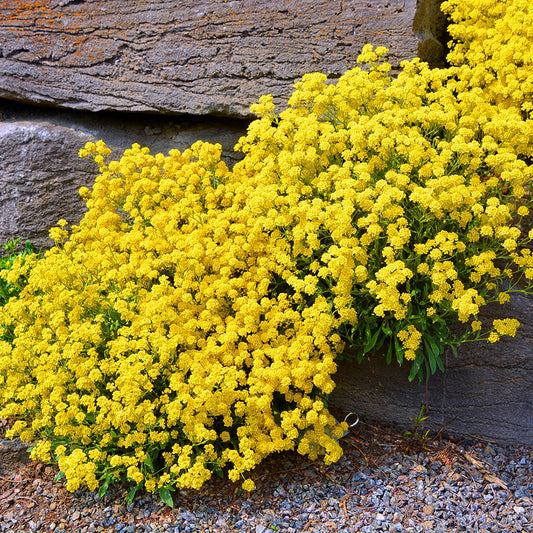
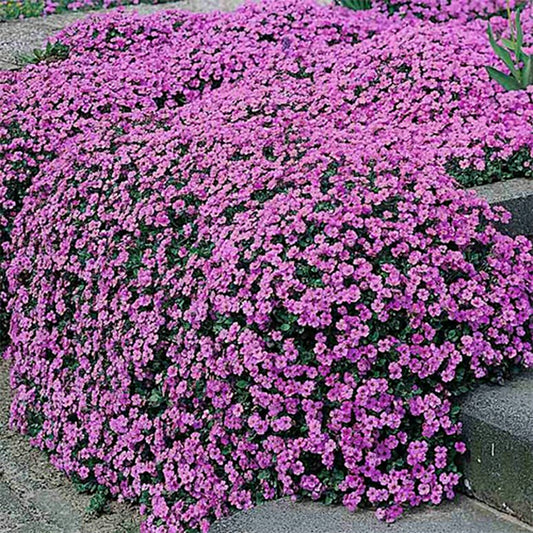
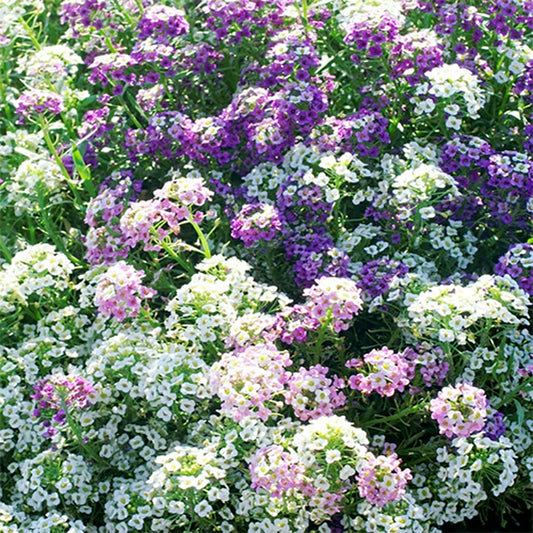
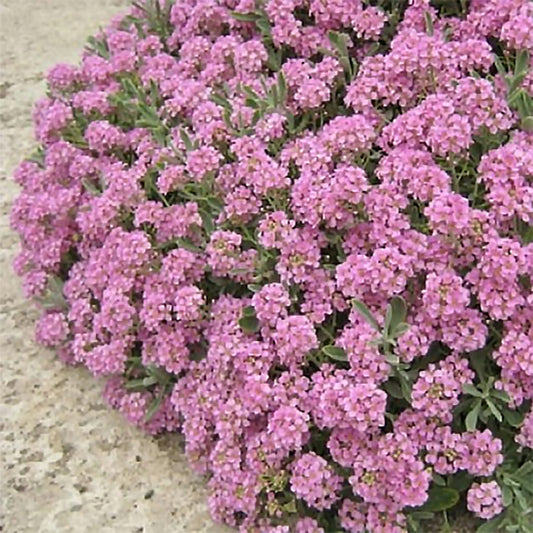
Alyssum is a fragrant, low-growing flower with clusters of tiny white, pink, or purple blooms. Its name comes from Greek and means “against madness,†a nod to its use in ancient herbal remedies. Today, it's best known for attracting beneficial insects and softening the edges of garden beds in Australian backyards.
Where to Plant
Edges
Edges
• Narrow growing spaces along borders, fences, or pathways
• Perfect for low-growing or decorative plants like alyssum or herbs
• Helps soften garden boundaries and attract beneficial insects
• Makes efficient use of underutilised garden space
Borders & Companion Rows
Borders & Companion Rows
• Found along the edges of garden beds, paths, or between main crops
• Ideal for herbs, flowers, or pest-repelling plants that support the main crop
• Helps attract pollinators and beneficial insects
• Makes good use of smaller spaces and improves overall garden health
Shady Spots & Herb Gardens
Shady Spots & Herb Gardens
• Areas receiving dappled or indirect sunlight, often near trees or buildings
• Best for shade-tolerant herbs like mint, parsley, or greens like spinach
• Helps prevent sun stress and conserves moisture
• Often used in cooler corners of the garden
Pests and Diseases
Aphids
Aphids are tiny, soft-bodied insects that cluster on new growth and the undersides of leaves. They suck sap from plants, causing leaves to curl, yellow or become distorted. As they feed, they excrete sticky honeydew that encourages sooty mould, and colonies can build quickly in warm weather.
Start with organic controls: blast colonies off with a firm jet of water, encourage beneficial insects like ladybirds and lacewings, and spray neem oil or insecticidal soap to disrupt feeding. Keep plants well watered and avoid excess nitrogen that promotes soft growth. If pressure remains high, selective chemical sprays can be used sparingly, taking care to protect pollinators and beneficials.
Leaf spot
Leaf spot describes several fungal or bacterial diseases that create dark, often round lesions on foliage—sometimes with yellow halos. Severe infections cause premature leaf drop and reduced vigour, especially during warm, wet spells or when leaves stay damp.
Reduce spread by removing infected leaves, watering at the base, and spacing plants for airflow. Mulch to limit soil splash and rotate crops. Organic preventatives include copper and sulfur sprays applied early. If disease escalates, registered fungicides offer a chemical backup.
Crown / root rot (Wet)
Crown and root rots are caused by water‑loving fungi that attack stems at the soil line and roots below. Plants yellow, wilt, and eventually collapse because their roots can no longer supply water and nutrients—most common in heavy, waterlogged soils.
Prevention is key: improve drainage, raise beds, and water deeply but less often. Avoid injuring stems at the soil line and rotate away from affected beds. Solarising soil in summer can knock back pathogens. Chemical drenches have limited benefit in home gardens and are best used preventatively rather than curatively.
Powdery mildew
Powdery mildew appears as a white, talc‑like coating on leaves and stems. It thrives in warm days, cool nights, and still air, and can weaken plants by reducing photosynthesis, leading to yellowing and early leaf drop.
Prune for airflow, avoid overhead watering, and remove badly affected foliage. Organic sprays such as milk solution, potassium bicarbonate, sulfur, or neem help suppress outbreaks. Chemical fungicides are effective when started early, but use sparingly to preserve beneficial organisms.
Downy mildew
Downy mildew causes pale yellow blotches on upper leaf surfaces with grey‑purple fuzz beneath, spreading fast in cool, moist weather. Heavily infected leaves collapse, slowing growth and yield.
Choose sunny, well‑ventilated positions, water early so foliage dries quickly, and remove infected leaves promptly. Organic options include copper and bio‑fungicides (phosphorous acid salts). For severe pressure, rotate chemical fungicide modes to prevent resistance.
Damping off (seedlings)
Damping‑off is a soil‑borne disease that attacks seeds and seedlings, causing poor germination, sudden collapse, or pinched, water‑soaked stems at soil level. It thrives in cool, wet, stagnant conditions.
Sow into fresh, clean seed‑raising mix; avoid reusing contaminated trays. Provide warmth, light, and airflow; water lightly and allow the surface to dry between waterings. A light dusting of cinnamon or chamomile tea is a gentle organic measure; fungicidal drenches are rarely necessary for home growers when hygiene is good.
Flea beetles
Flea beetles can affect plant health and yields in home gardens. Typical symptoms include slowed growth, discolouration, and reduced productivity, often triggered by weather, nutrition, or cultural conditions.
Start with cultural fixes: rotate crops, improve soil with compost, water consistently, and choose resistant varieties. Organic sprays or amendments can reduce severity; chemical options are a last resort and should be used carefully and in accordance with labels.